KarminaAI StudioAgents · Services · Training





Knowledge & Governance · AGENT-A24
Brand Guard
This landing page explains what automates Brand Guard, what sources and tools you need, how the result is reviewed and how it can be applied within a company.
StrategyOwn knowledgeProportional permissionsHuman supervisionMeasurement and improvement
01
The agent, at a glance
What Accelerates
The preview of copy, design, adaptations, presentations, proposals, campaigns and multichannel content.
What does it deliver
Short report with deviation, criterion, evidence, severity, proposed correction, exceptions and responsible person.
For whom it is
Brand teams, content, design, social media, sales, communication, product and suppliers that produce many pieces.
What it doesn't do
It does not automatically redesign the brand, does not prohibit an innovation because it does not exist in the guide, does not validate legal claims on its own and does not consider a score to replace professional review.
02
The problem it solves
Inconsistency occurs when the criteria do not reach the time of production
Brand books can be complete and, at the same time, separate from the calendar, the CMS, proposals and design tools. Each team interprets the voice, the logos or the affirmations in their own way.
Brand Guard reduces:
- Inconsistent terminology.
- Claims without evidence or with an expired date.
- Bad colors, typographies and logos.
- Adaptations that lose hierarchy or accessibility.
- Image rights or forgotten attributions.
- Parts generated with AI without proper transparency.
- Repeated fixes that never update the system.
03
What exactly is Brand Guard?
It is a branded QA agent that consults guides, assets, vocabulary, claims, examples, restrictions and approvals. It can review text, image, document, presentation or page, according to the capabilities and the circuit of the project.
Not all deviations have the same impact. The agent differentiates objective error, recommendation, possible exception and management decision.
04
What do you do, specifically?
01. Check voice and message
It checks for tone, person, terminology, clarity, audience and consistency with positioning.
02. Check claims
Verify that claims, figures, certifications, dates and comparisons have source and authorized use.
03. Analyze the visual system
Detects palette, typography, logo, proportion, margins, hierarchy and resources outside the system.
04. Review rights and transparency
It points out unsourced assets, uncovered uses, people or UGC without permission and generated content that needs additional criteria.
05. Check basic accessibility
Contrast, readability, alternative text, subtitles, hierarchy and other documented criteria.
06. Prioritize the corrections
Separate blocking, necessary correction, recommended improvement and human decision.
07. Turn recurring mistakes into learning
It proposes to update examples or guides when the same ambiguity reappears.
DUBTE BACK
You don’t have to know which agent you need.
Let’s start with a repeated task, the sources available and the result you want to review. In a free video call we can assess if you need an agent, a service or simply better order the process.
Video call · free · no obligationBook a free video call ↗A short conversation to understand your starting point and bring clarity.
05
How it works from start to finish
- It receives the piece and the context of channel, public and date.
- Identify which guidelines apply.
- Execute textual, visual and claims controls.
- Relate each observation to the criterion.
- Prioritize and propose corrections.
- The team corrects or approves an exception.
- The agent rechecks the final version.
- Record the decision and criteria that need to be updated.
06
Example of situation
A correct color can continue to produce an off-brand piece
A creativity uses the official palette and the correct logo, but the composition, photography and copy generate a generic technological style that contradicts the editorial direction of the brand.
Brand Guard does not validate it just because hexadecimal codes match. He points out the difference of hierarchy, typography, image and tone, shows examples of reference and derives the creative decision. The review combines objective rules and professional criteria.
07
What do we need before we launch it?
Essential
- Brand book and official assets.
- Speech, terminology, and messages.
- Claims, sources and dates.
- Restrictions and uses of the logo.
- Rights, consents and transparency.
- Accessibility criteria.
- Responsible and chain of approval.
Highly recommended
- Examples approved and rejected.
- Variants by channel or market.
- Cases of Exception.
- Asset library with metadata.
- History of Recurrent Corrections.
08
How we implant it
- We audit the brand material and the review circuits.
- We turn criteria into checks and examples.
- We classify severity and Human Gates.
- We fly with real pieces of various formats.
- Let’s review false positives and too rigid criteria.
- We form teams and suppliers.
- We connect with production when the control is calibrated.
A REAL TASK IS THE BEST BRIEF
Explain where the friction is concentrated.
You can send us an example, the approximate volume and how it is reviewed today. No need to share sensitive data to make a first assessment.
09
Human supervision and boundaries
The agent can
- Detect documented deviations.
- Check claims and sources.
- Propose corrections.
- Lock a piece inside the circuit if a critical requirement is missing.
- Record approved exceptions.
Agent can't
- Create or change brand strategy.
- Pass complex legal claims.
- Decide on a high-impact exception.
- Give rights that don’t exist.
- Turn personal tastes into rules.
Stop and scale when
There is no criterion, the guides contradict each other, the piece involves a real person, there is legal or reputational risk, an important claim is modified or innovation needs a new management decision.
10
Sources and possible connections
Brand books, asset libraries, editorial guides, claims, CMS, design tools and project managers. You can check the exits of Social Publisher, Blog Publisher, Image Editor, Video Editor, Landing Builder and Proposal Builder.
11
How do we measure if it adds value?
- Brand errors detected before publishing.
- Time for review.
- Percentage of observations accepted.
- False positives and exceptions.
- Claims with source and validity.
- Assets with traceable rights.
- Reduction of recurrent corrections.
- Adoption of the criteria for teams and suppliers.
12
For whom does it make sense?
It can fit if
- Many people or suppliers produce pieces.
- There are guides but they do not flow.
- Mistakes are repeated.
- There are important claims, rights or restrictions.
- You want to review human and AI-assisted content with the same criteria.
It’s not the first step yet.
- The brand has no system or responsible.
- The rules contradict each other and no one can decide.
- It seeks to replace all creative direction with rules.
- There is no circuit to correct before publishing.
DUBTE BACK
You don’t have to know which agent you need.
Let’s start with a repeated task, the sources available and the result you want to review. In a free video call we can assess if you need an agent, a service or simply better order the process.
Video call · free · no obligationBook a free video call ↗A short conversation to understand your starting point and bring clarity.
13
Knowledge Foundation and adoption
The basis includes identity, voice, positioning, audiences, terminology, claims, assets, rights, channels, examples and exceptions. The Brand Guard converts this base into applicable controls.
The onboarding teaches how to interpret severity, approve exceptions, and update the system when a new creative decision is consolidated.
14
Frequently Asked Questions
Is it a text editor?
It includes textual revision, but can also review visual system, claims, rights, accessibility and coherence with context.
Can you review designs?
Yes, when guides and formatting can be interpreted. Management decisions continue to require people.
Can you block a post?
It can mark a lock within the circuit for agreed critical criteria. Governance defines who can lift it.
Does it work in several languages?
Yes, but every language needs terminology, voice, claims and self-review.
Can you review content generated with AI?
Yeah. Apply the same criteria and add transparency, rights and representation checks where applicable.
How much does it cost and how long does it take?
It depends on the formats, languages, guides, integrations and volume. The pilot tests different pieces to calibrate criteria and severity.
15
Closure and conversion
What branding error do you continue to correct after the piece has already circulated?
Share with us the guides, examples and the review circuit. We will prepare a first system that explains what does not fit, why and who has to decide.
Direct contact hello@karmina.ai
Karmina, the agency behind the Studio
Why Karmina?
Behind Karmina AI Studio there is an agency with track record, team, scale and applied experience in real organizations.
Karmina · AI Studio · Criterio · Dunder Mifflin · Utopiq · Smart Team
 +€119mIn advertising investment for clients
Ads Platforms
Partners MetaGoogle Ads
 TikTok
 Pinterest
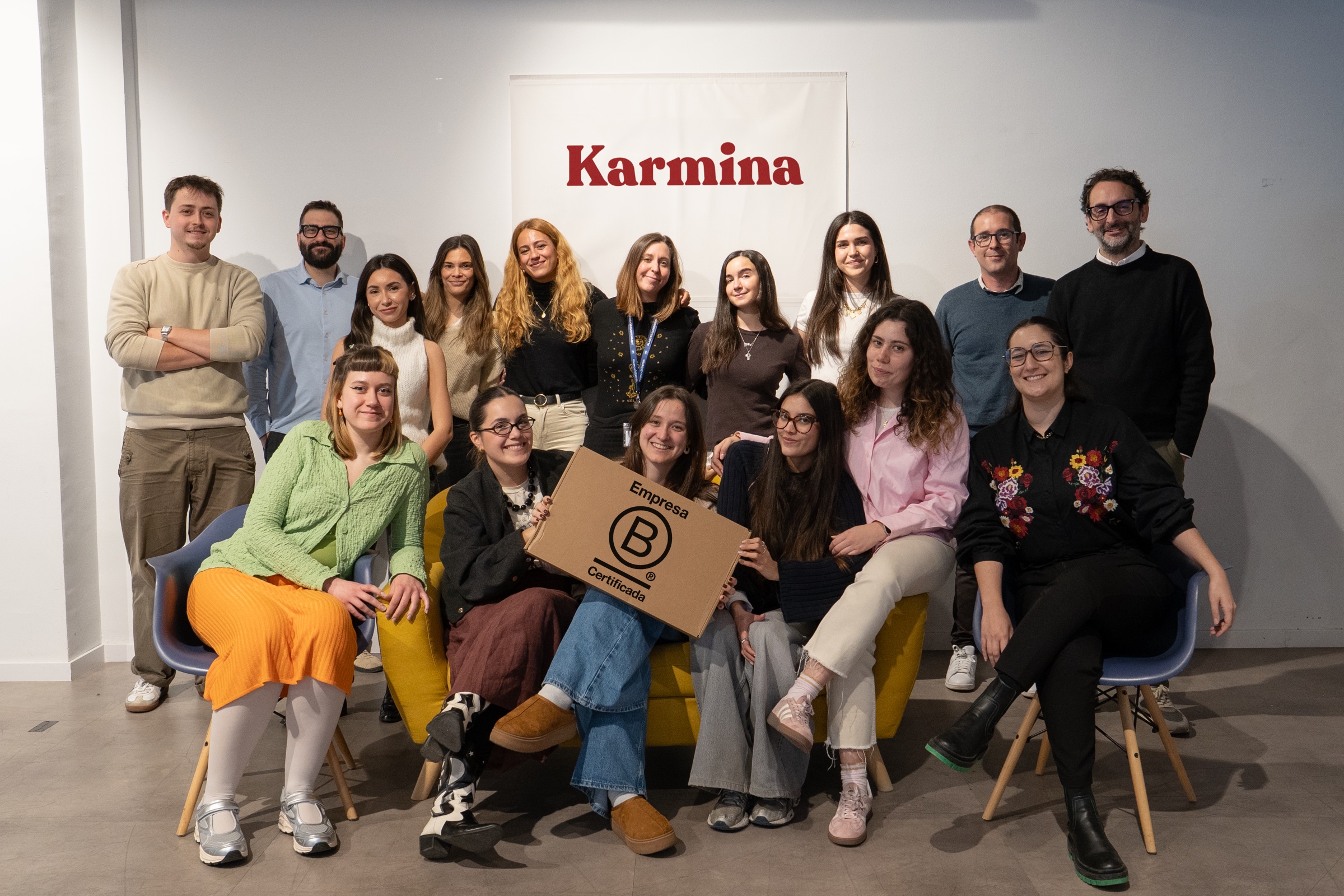 Barcelona
Madrid
Buenos AiresOur offices · Meet the team ↗
+50 KCommunity
 B CorpCertified company
The team
People who connect knowledge and practice


Arnau Sanz
Agentic Strategy & AI Transformation Lead

Ignasi Llorente
AI Partnerships & Business Director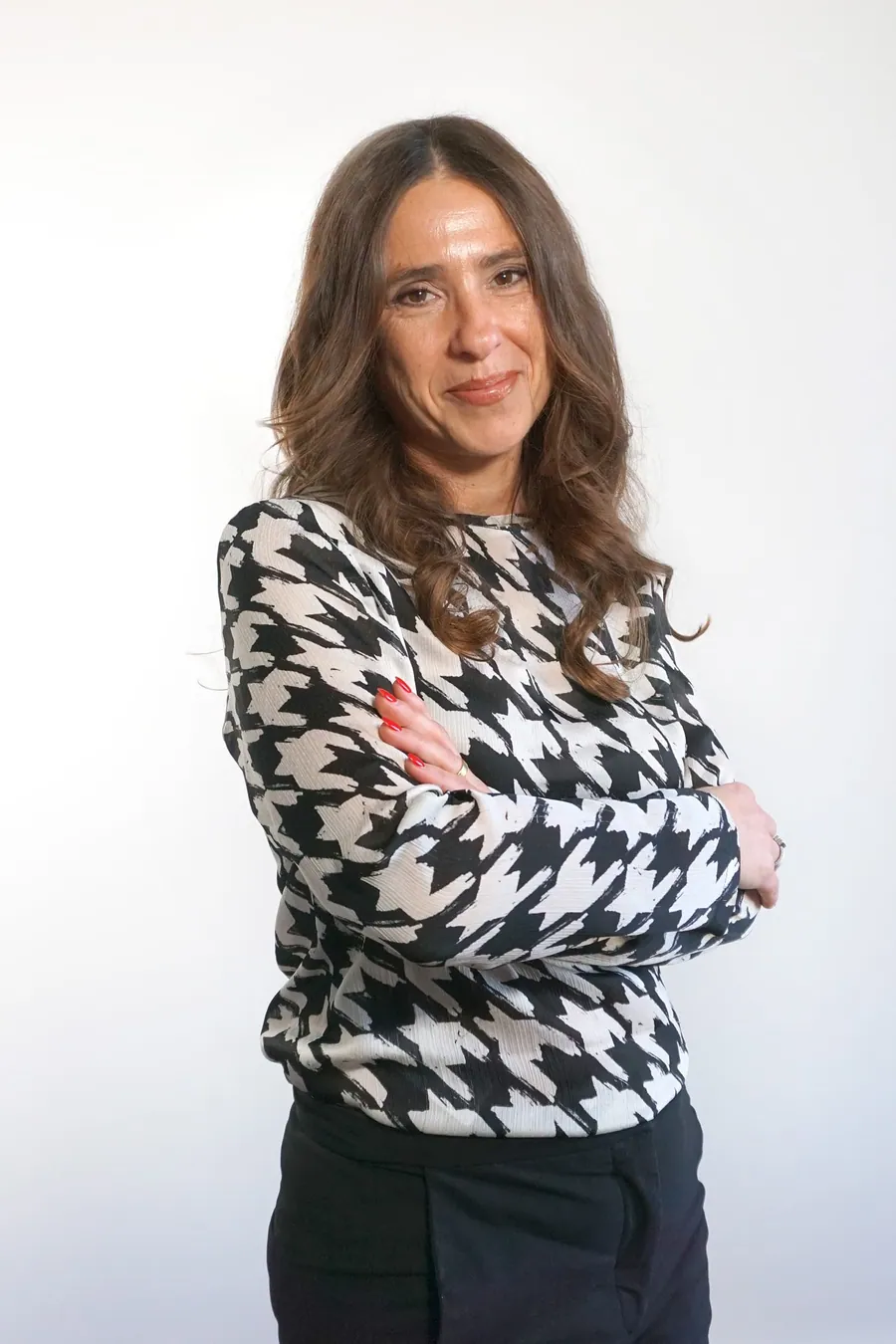

Martina Díaz
AI Finance & Business Intelligence Director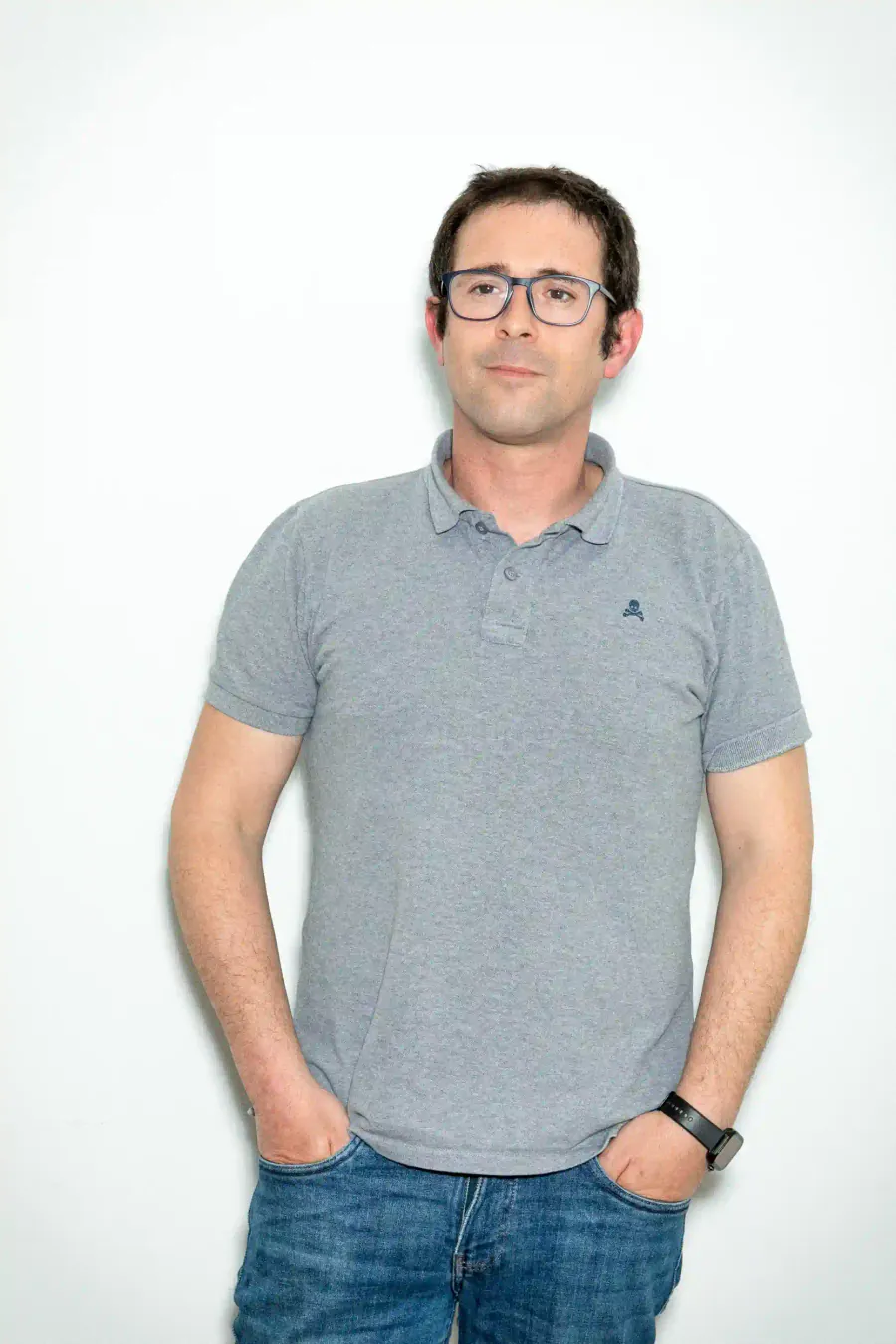
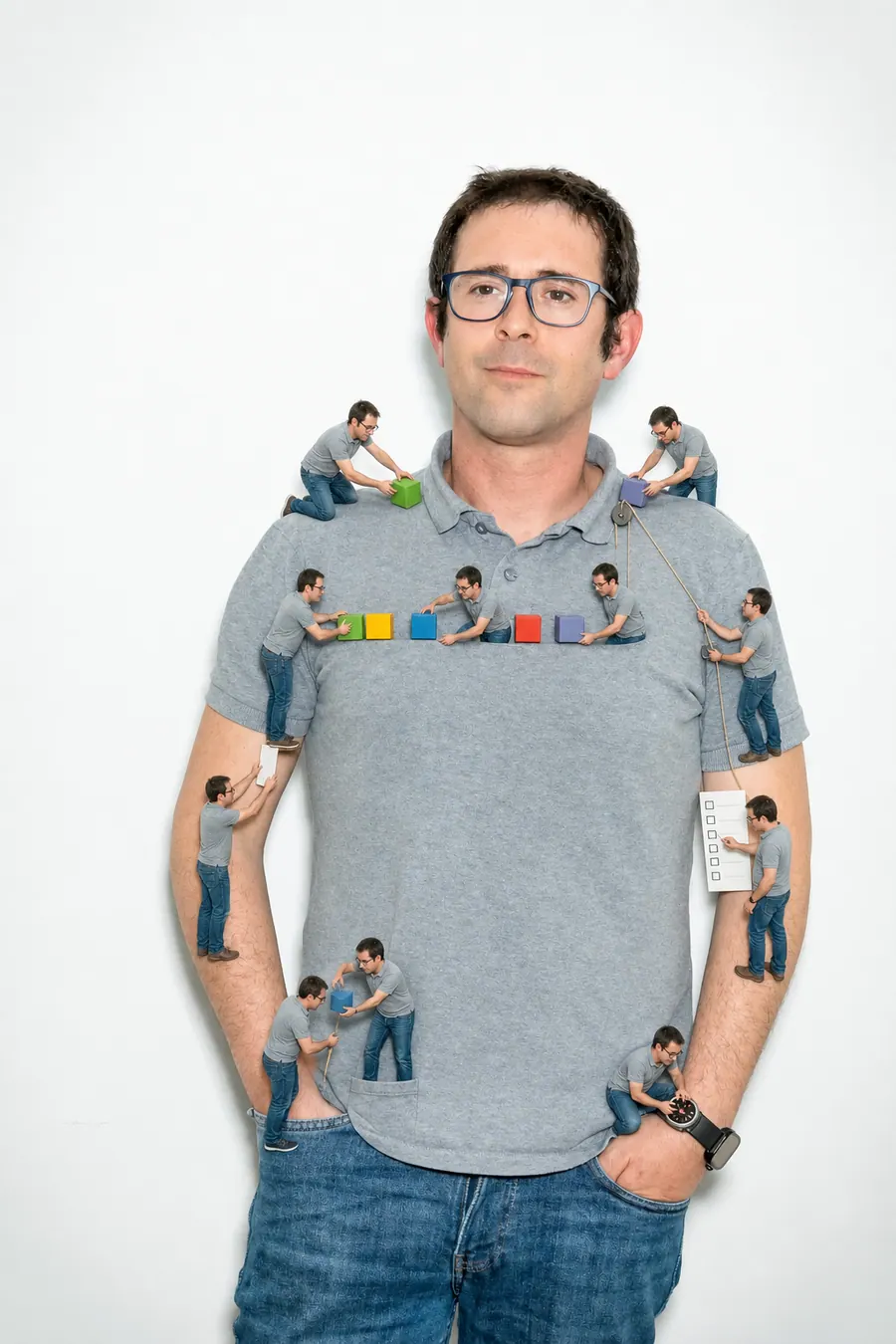
Daniel Mallén
AI Operations & Workflow Lead
Eva Trigo
Generative Creative Director

Ariadna Miranda
AI Administration & Knowledge Operations Lead
Claudia Gonzalez
AI Client Success Manager

Jonan Basterra
AI Social Strategy Director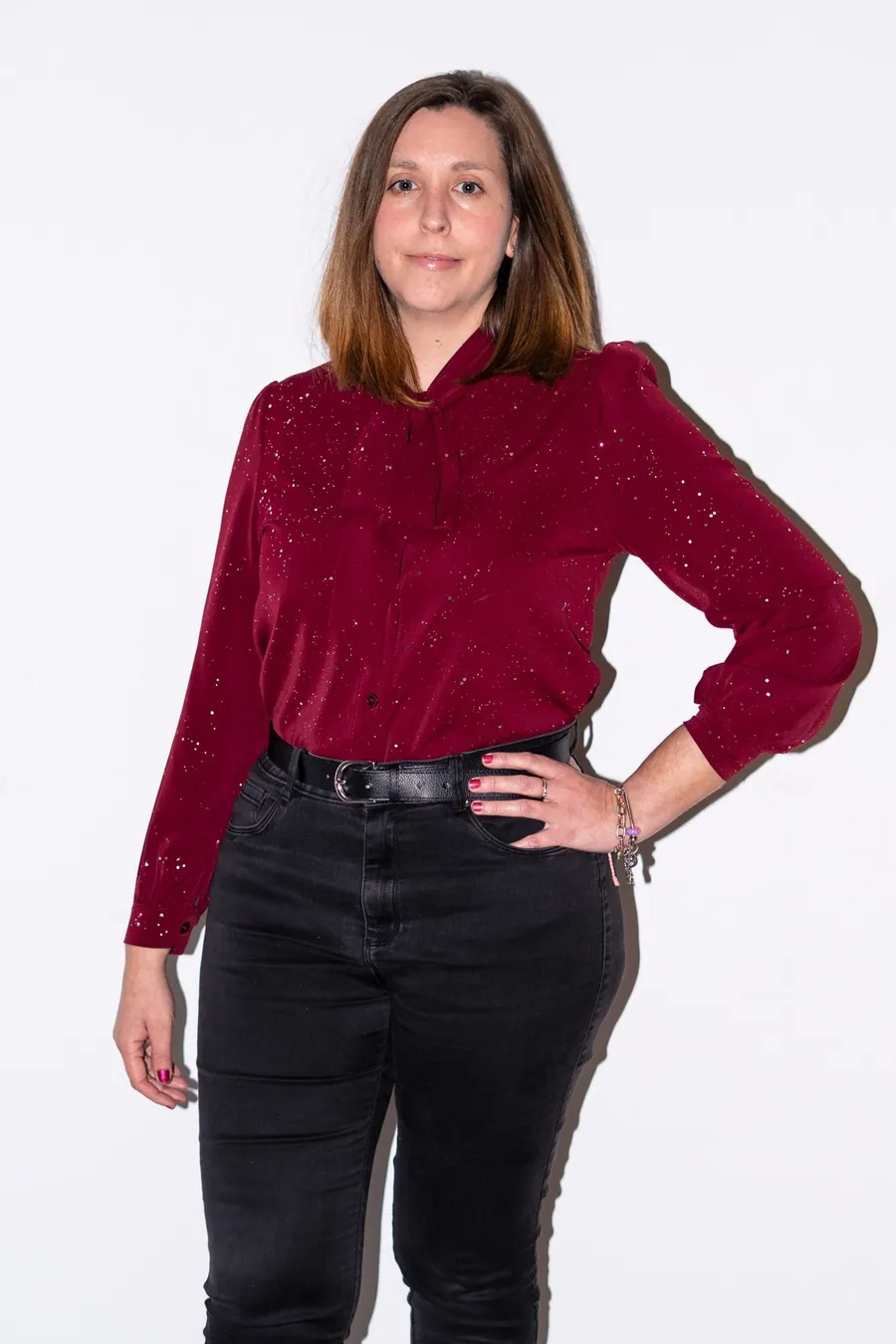

Laura Sabio
Agentic Social Media Lead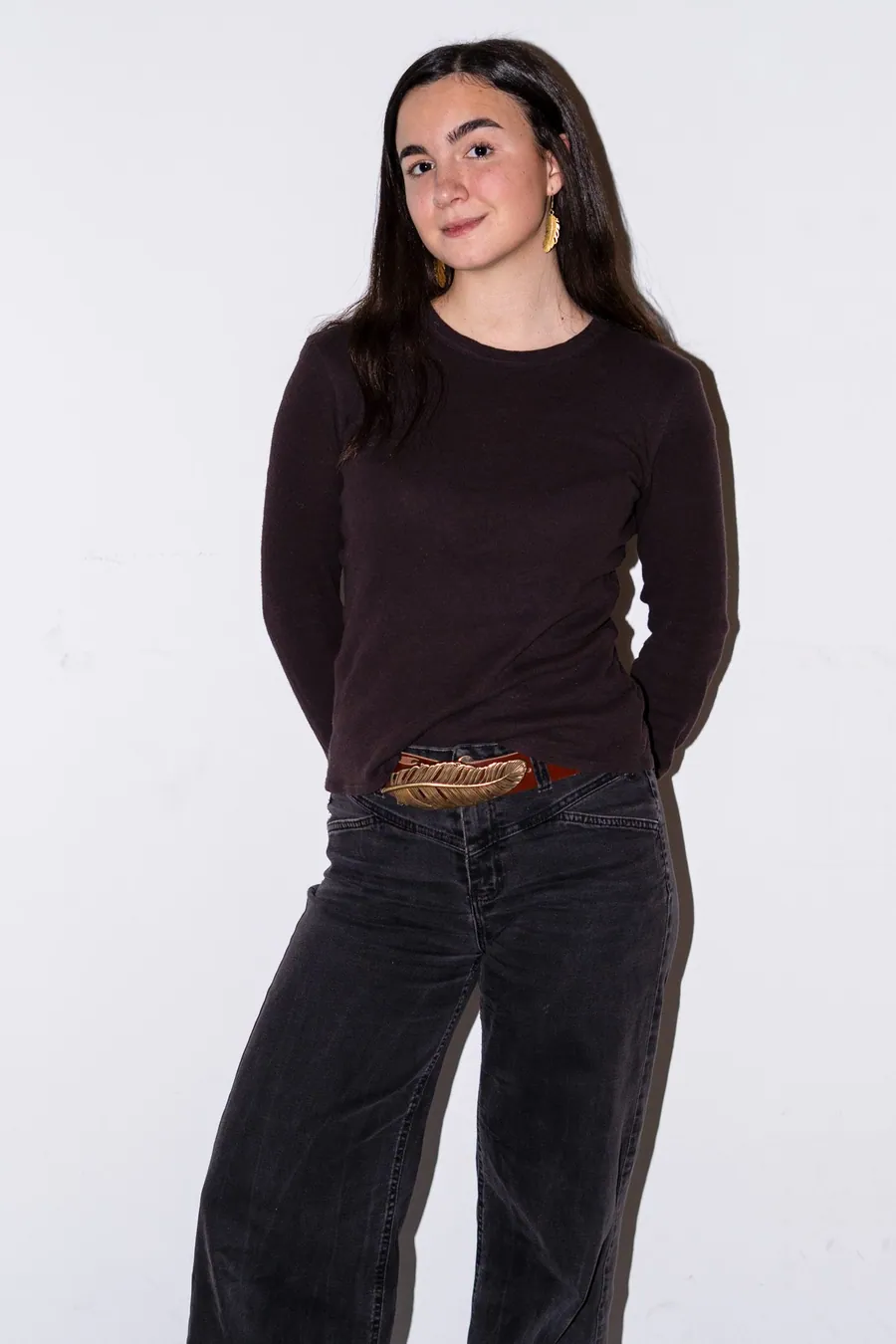
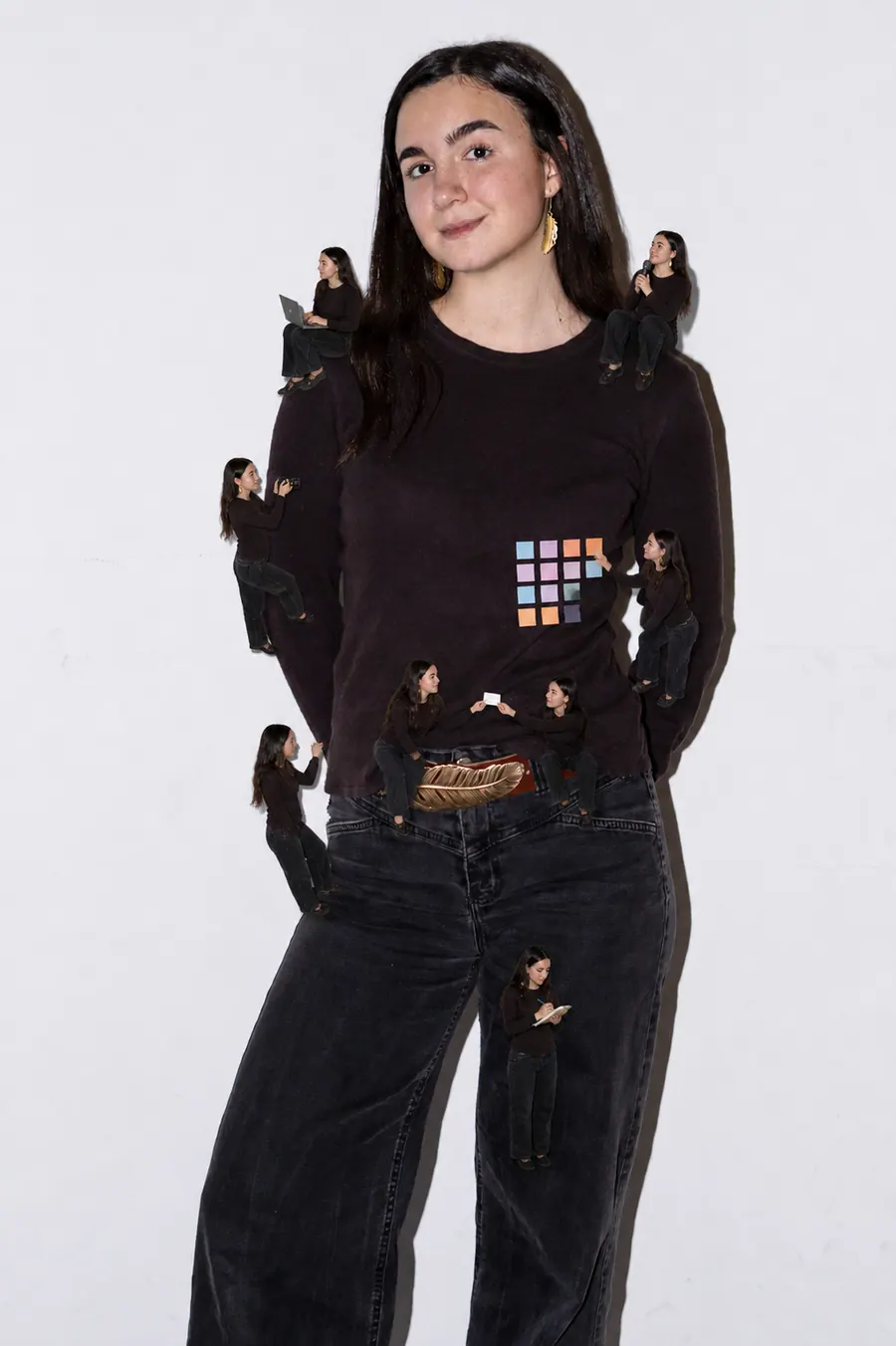
Agustina Córdoba
Content AI Specialist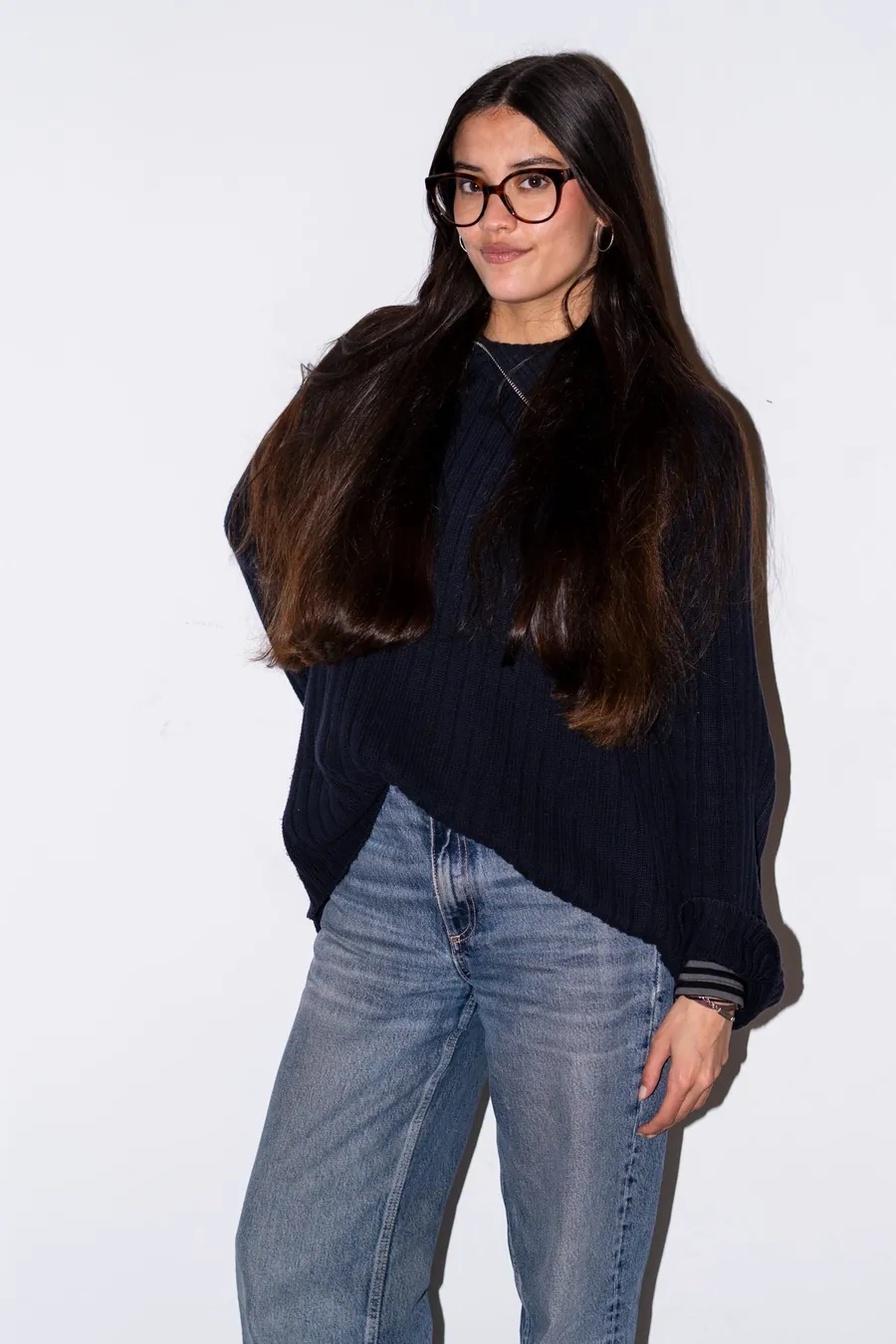
Alba Gómez
Social Listening Specialist

Paola Cudeiro
AI Client Success Specialist

Roger López
AI Project & Workflow Specialist

Mar Berzal
AI Content Strategy Lead

Andrea Gallego
Community Intelligence Specialist
Candela de la Fuente
Content AI Specialist

Blanca Gómez
AI Community Operations Specialist
Cintia Armajach
Content AI SpecialistLet’s talk
Let's talk about Brand Guard
Tell us about your situation, even if the challenge is not fully defined. A member of our team will respond to understand the process and discuss a first step.
hello@karmina.ai